Define the listening skill
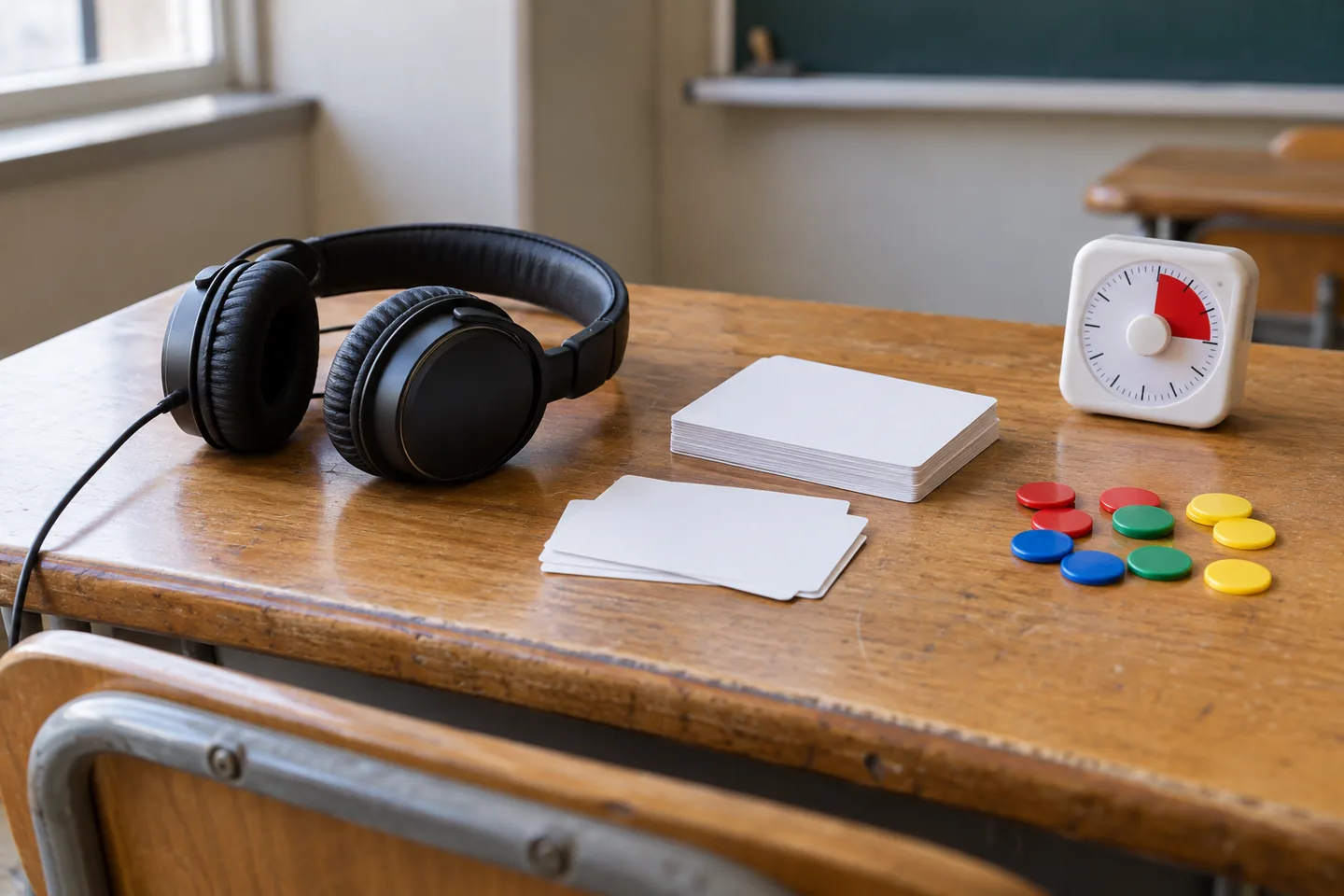
A listening item starts with a defined skill and a defensible answer. Recognizing a name differs from identifying a quantity or interpreting a purpose. The example asks for a meeting time while the recording also mentions opening time. Make the requested time explicit rather than relying on a vague trick. Set vocabulary and learner level first. Fluent speech is insufficient when two choices remain reasonably correct from the evidence heard.
Keep the item record complete
Maintain identifiers, speech scripts, questions, choices, answers, rationales and playback rules. Keep explanation material outside learner audio so the export cannot reveal its own answer. Review whether grammar or answer length gives the key away. A numerical script edit can affect choices and rationale as well as speech. Reconcile copied item references explicitly; automatically generated content does not remove the need to confirm that the recording and scoring data belong together.
Keep screen-visible material distinct from audio-only content. A numerical script edit can affect choices and quoted rationale as well as speech. Reconcile each duplicated item identifier with its own recording and scoring data; copying an earlier question can otherwise preserve the previous answer or audio reference. Generated choices still need that review.
Generate a controlled pilot
Record voice, language and pacing for each item. Arbitrary noise or unnatural pronunciation can change the measured skill instead of creating useful difficulty. Produce one representative question at a suitable natural pace and review names, numbers and pauses against its script. Establish acceptance conditions before generating a whole set. A successful synthesis request proves file creation, not that the resulting question has the intended level or a sound scoring rule.
Separate practice and scored playback
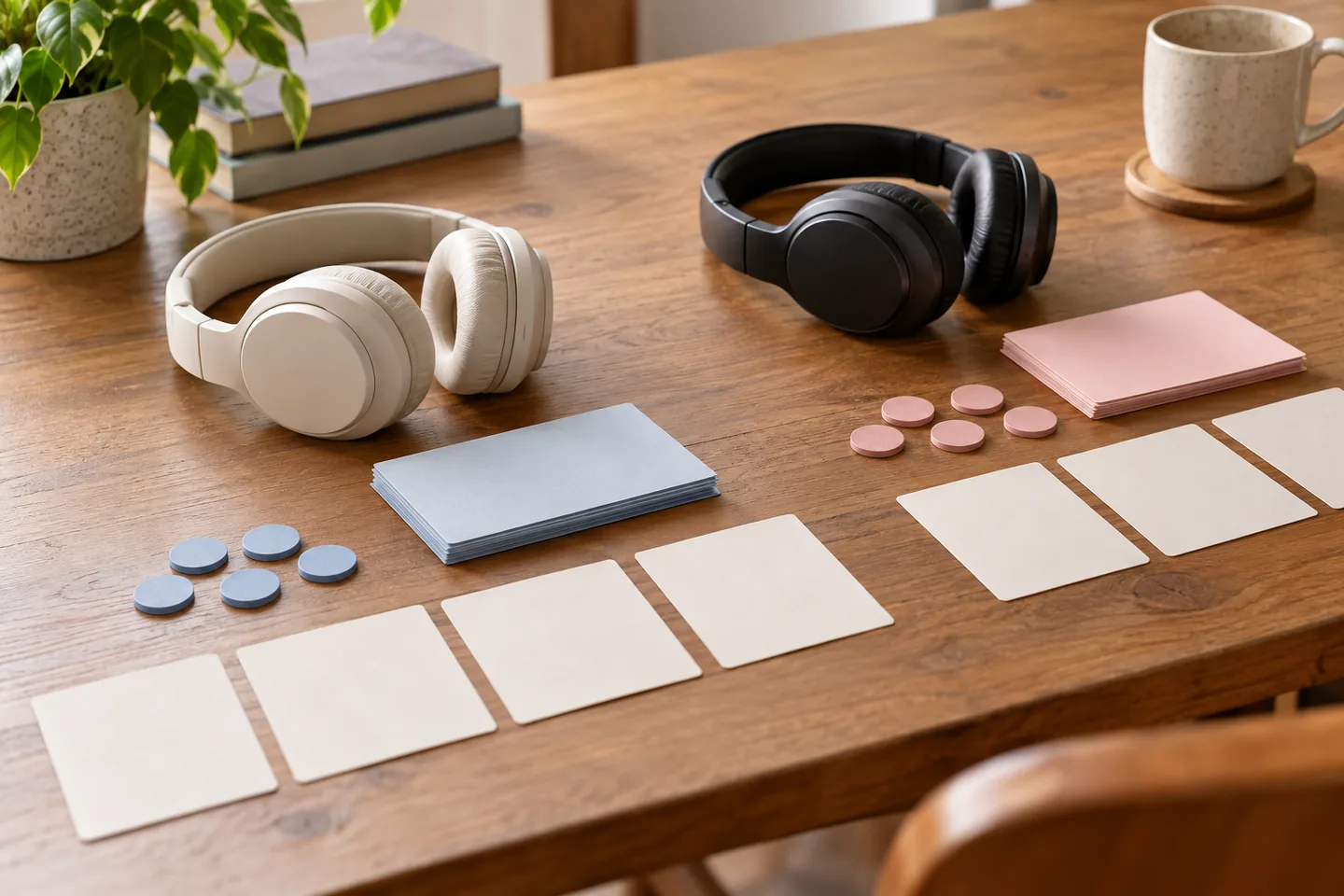
Practice may allow repeats and speed changes while a scored activity applies other rules. State starts, repeats and transcript access clearly. Inspect hidden captions and filenames for answer leaks. Keep sound-check material separate from scored files so an instruction edit does not alter the question. Test leaving and returning during playback. The interface rules and saved attempt should describe the same conditions rather than merely displaying a convenient replay button.
| Item | Action | Acceptance check |
|---|---|---|
| Item ID | Map audio and scoring evidence | One defensible answer |
| Playback | Set repeats and transcript access | No answer leak before response |
| Revision | Recheck script and answer | Version remains tied to attempts |
Review evidence from the recording
Ask another reviewer to answer before seeing the key and identify the words supporting the choice. A correct written script cannot rescue an ambiguous spoken number. Separate unfamiliar vocabulary, poor recording and question ambiguity. Revise the question or script if two answers remain defensible instead of forcing one with a longer rationale. Preserve the evidence time range for rechecking. A high error rate alone does not establish educationally appropriate difficulty.
Ask a reviewer to answer before revealing the key, then compare their evidence with the intended skill. Separate unfamiliar vocabulary, poor audio and an ambiguous question. Retain the relevant time range for correction. A high error rate alone does not establish that the item has an appropriate or educationally useful difficulty.
Version corrections without losing attempts
Regenerate a misreading, but recheck answer and rationale whenever the script changes. Keep a version separate from the stable item ID so attempts remain tied to the material heard. Suspend a seriously ambiguous published item while deciding how earlier results are handled. Do not silently replace content as though it had always supplied the same evidence. Reconcile public audio delivery with the course version to detect old cached or alternate asset references.
Budget and deliver a complete set
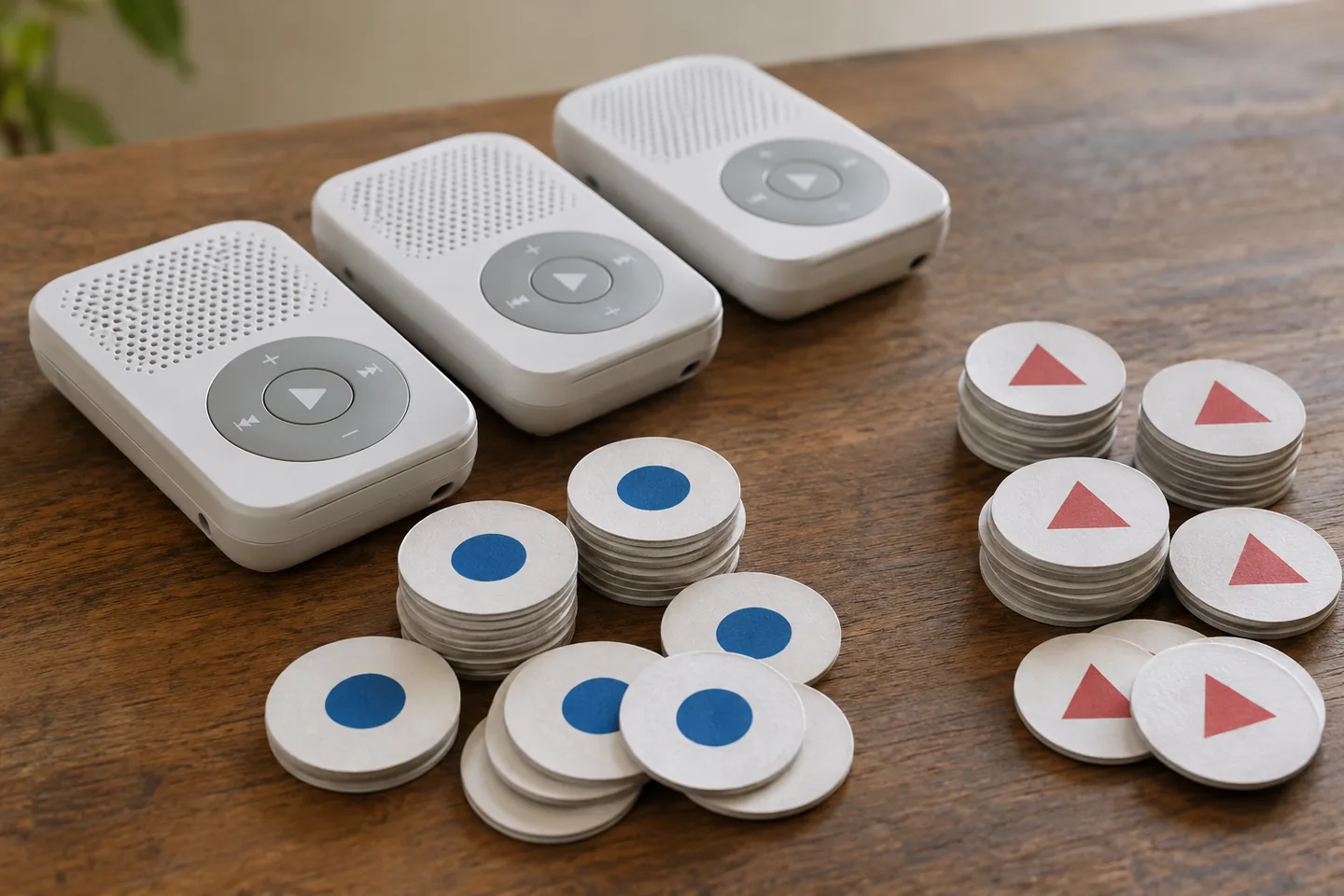
Estimate item count, voices, drafts, corrections and any spoken explanations using the current billing unit. Ten items is a workload example, not a provider allowance. Course-player and scoring development are separate from audio creation. Confirm distribution permissions and deliver audio, questions, rationales and rules by item ID. Pilot playback through scoring and review before scaling. Keep answer records outside public asset folders and record the devices and actual conditions used in acceptance. Freeze the accepted audio version and reconcile it with the answer record again before release.
Estimate costs for your workload
Enter finished duration and regeneration assumptions to compare estimated characters with plan allowances.
Open cost calculatorOfficial sources
Pricing, availability and feature limits can change. Check the linked official pages before subscribing.
- ElevenLabs Text to SpeechInformation checked: 2026-10-30
- ElevenLabs Text to Speech product guideInformation checked: 2026-10-30
- ElevenLabs current plansInformation checked: 2026-10-27
- Japanese text to speechInformation checked: 2026-10-26
- Publishing and commercial useInformation checked: 2026-10-26
- ElevenLabs website and API credit distinctionInformation checked: 2026-10-27
- Murf Studio pricingUnverified
- Murf Japanese speechInformation checked: 2026-10-26
- Free trial featuresInformation checked: 2026-10-26
- Free trial downloadsInformation checked: 2026-10-26
- Commercial rights and business licenseInformation checked: 2026-10-26