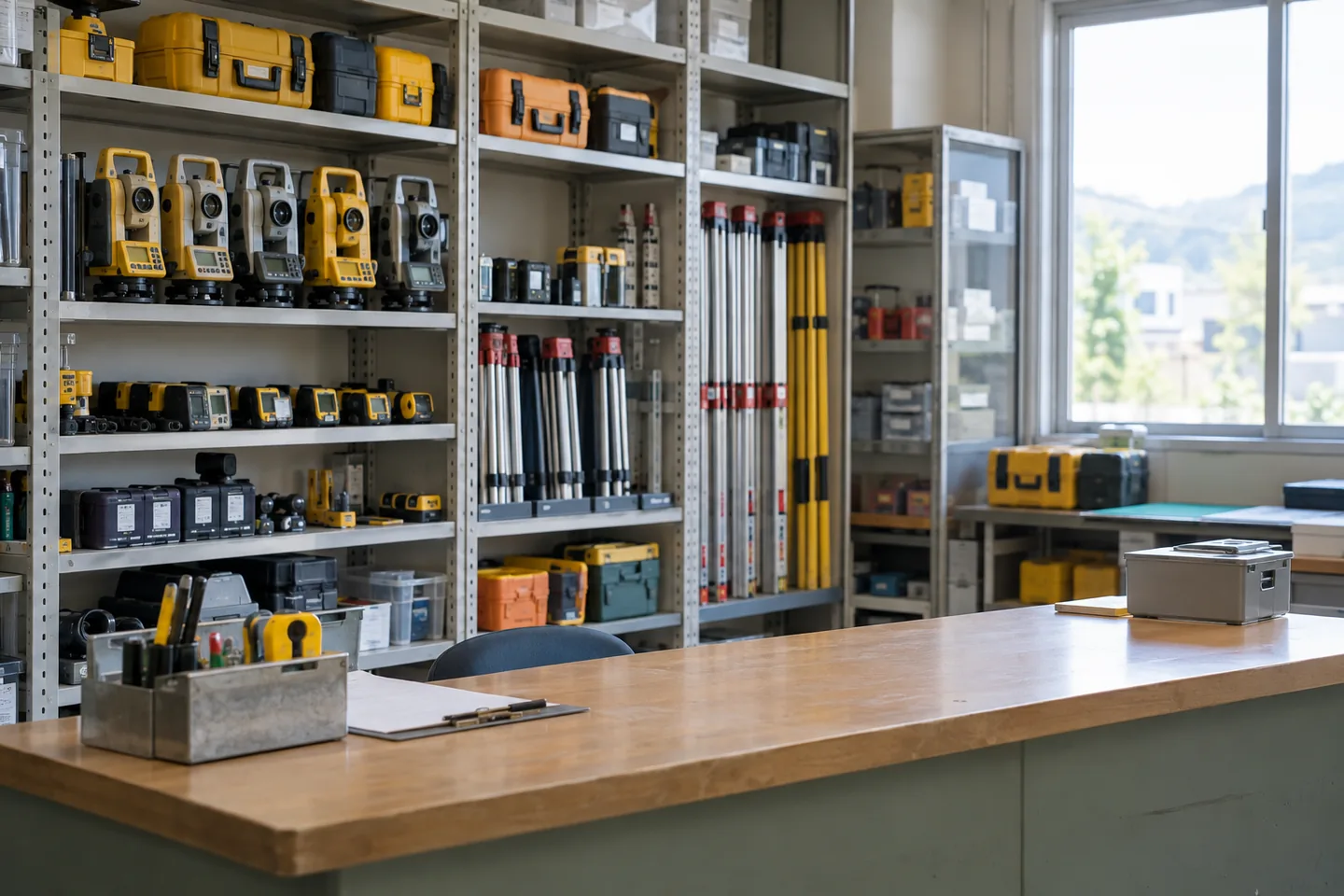
Choose the physical unit of lending
Give every instrument its own equipment ID, even when three units share the same model name. Start with immediate checkout and return, leaving advance reservations for later. Show available, on loan and under inspection as separate conditions. When using Cursor on an existing application, specify the list, mutation and authentication files involved. Avoid asking it to rebuild unrelated account or billing screens at the same time.
Keep inventory and loan history distinct
Store equipment identity, location and availability in an inventory table. Store the borrower, checkout time, due time and return time in separate loan rows. Replacing a current borrower field alone loses the lending history. Decide which information ordinary users actually need: their own loans and availability will often suffice. Permission checks belong in data access and mutation code, not merely in hidden interface controls.
Make checkout an atomic operation
The server must verify that the item is usable and has no active loan, then create the loan without allowing another checkout to slip between those steps. In PostgreSQL, a transaction that locks the equipment row is one possible design; an appropriate uniqueness restriction can reinforce the rule. The acceptance requirement is simple: one physical unit cannot have two active borrowers, regardless of browser timing.
Distinguish return from inspection
A return should update one identified loan, recording its return time once. Do not close loans by matching a product name alone. If damage is reported, the equipment may become unavailable for inspection even though the borrowing record is closed. Availability therefore requires both no open loan and a usable equipment state. Restrict the operation that releases an inspected item back into circulation to the appropriate staff role.
Rehearse concurrent checkouts deliberately
Open fictional equipment EQ-010 in two separate user sessions and submit both checkouts close together. The intended result is one successful loan and one current-unavailability response. This is a proposed acceptance test, not an observed benchmark. Refresh both pages and inspect the staff history to distinguish persisted records from optimistic display changes. If two loans appear, investigate the write path before adjusting visual feedback.
| Case | Check | Required condition |
|---|---|---|
| Two concurrent checkouts | Number of active loans | One per physical item |
| Repeated return | Specific loan identifier | Record return once |
| Damage on return | Equipment availability | Inspection blocks checkout |
| Past the due time | Open loan history | Do not infer a return |
Handle overdue and uncertain outcomes
An overdue item has not automatically been returned. Treat lateness as a reporting or notification condition, while keeping physical return separate. Define who can record proxy returns, losses or corrections. If a connection drops after submission, look up the request key or loan ID before retrying. Administrative corrections should preserve the previous borrower and dates in a traceable history instead of quietly replacing the evidence.
Availability requires both no open loan and a usable equipment state.
Estimate the operating workload
Cursor subscription or model usage is a development cost, while hosting and database activity belong to the deployed application. Count equipment searches, loan-history reads and reminder runs as well as users. Avoid constant full-list polling unless the workflow needs it. Begin with one cabinet and a small instrument set, then add locations and reservations. Reuse an existing identity system when possible rather than creating another set of accounts to maintain.
Prepare a stocktake and outage procedure
Match each physical equipment label to the correct record before launch. Provide a fallback register for an outage and appoint someone to reconcile it after service returns. Blindly importing the fallback list can conflict with loans already saved. Release only after checking repeated clicks, another user's history, overdue items and inspection states. Staff should be able to explain who borrowed a unit and how it returned to availability.
Official sources
Pricing, availability and feature limits can change. Check the linked official pages before subscribing.
- PostgreSQL — Explicit lockingInformation checked: 2026-10-30
- PostgreSQL — ConstraintsInformation checked: 2026-10-30
- Next.js — FormsInformation checked: 2026-10-30
- Cursor pricingInformation checked: 2026-10-26
- Cursor models and pricingInformation checked: 2026-10-26
- Cursor Agent overviewInformation checked: 2026-10-26