- Separate the report from verified observations
- Connect evidence to the correct parcel and item
- Request proportionate evidence
- Keep remedy decisions and execution distinct
- Handle additional evidence and replacement shipments
- Separate case closure from process learning
- D-114: customer resolution before cause analysis finishes
- Choose a tool and budget around the actual workload
Separate the report from verified observations
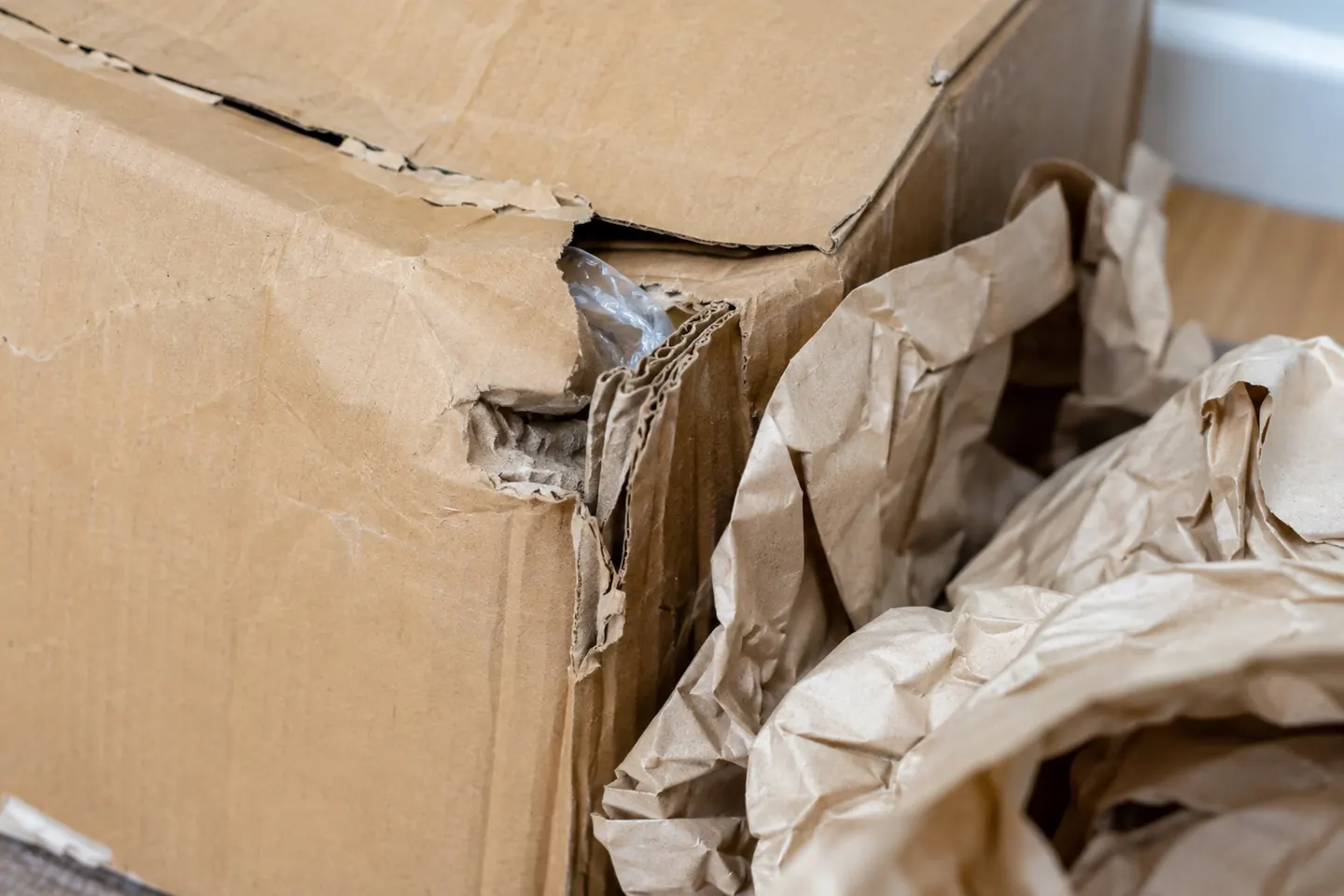
A customer’s description of a crushed box, a visible dent in a photograph and whether the item works are different pieces of information. Record report time, customer account, observable condition and unknowns separately. Do not immediately assign the cause to the carrier or packing team. Explain the next review step and expected update. This keeps the customer informed while preventing an internal hypothesis from becoming an unsupported statement in the external conversation.
Connect evidence to the correct parcel and item
Use damage-case ID, order ID, shipment ID, SKU, affected quantity, arrival date, report date, evidence references and owner. Identify the package explicitly when the order has several shipments. If D-114 contains three items but one is affected, record that scope and what is known about the others. Add a brief description of each photograph rather than relying on filenames. A collection of images is not useful evidence unless the reviewer can relate it to the relevant item and package.
| Field | Example | Review decision |
|---|---|---|
| Customer report | Box arrived crushed | Record as reported |
| Observation | Corner damage visible | Separate from cause |
| Remedy | Replacement being prepared | Not yet dispatched |
| Open task | Carrier enquiry | Separate from customer resolution |
Request proportionate evidence
Request specific evidence such as the outer package, affected corner, protective material and item condition, only where needed. Shipping labels contain personal information, so restrict storage and sharing. Do not ask someone to handle unsafe fragments or leakage merely to obtain a better picture. Check the applicable carrier and store process before advising about retention or disposal. Evidence collection should support a decision without making the customer perform unnecessary or unsafe work.
Keep remedy decisions and execution distinct
Define stages such as evidence review, remedy decision, replacement preparation, return pending and completed. A decision to replace an item is not evidence that the replacement shipped. Keep one coordinating owner while customer updates, internal review and carrier enquiries proceed in parallel. Confirm the actual transaction and applicable conditions before promising compensation or a particular outcome. The register is a coordination tool, not a source of universal eligibility rules.
Handle additional evidence and replacement shipments
Attach additional evidence to the existing damage case instead of automatically opening another one. A replacement needs a new shipment ID, while investigation of the original parcel may remain open. Reconcile requests and execution results so two teams do not ask for the same photographs or send two replacements. Record why a proposed remedy changed. A later reviewer should be able to follow the sequence without guessing whether similarly named shipments are originals or replacements.
Separate case closure from process learning
Define the customer-resolution evidence, such as a confirmed replacement delivery or completed payment action. If customer handling finishes before the cause is known, retain a separate investigation task. For process review, compare product, packaging method, route and incident count, while acknowledging the limits of a small sample. Check later shipments after a packing change under comparable conditions. Closing the customer case and proving the cause are different outcomes and should not be forced into one checkbox.
D-114: customer resolution before cause analysis finishes
In D-114, a replacement is sent and the customer confirms arrival. Customer handling can close while a carrier enquiry remains assigned with its own review date. Keep the replacement shipment separate from the original and retain all evidence under the same damage case. Add any later cause finding with its evidence; do not infer the cause solely from an ambiguous photograph. Customer resolution time and investigation time are different measures, so one status should not be forced to represent both.
Choose a tool and budget around the actual workload
A numbered folder and shared register can be enough for occasional reports. Include replacement goods, shipping, returns, evidence review and communication time in the cost. If you use a form, check image limits and access permissions. Add integration only where repeated transfer is a real burden. Making the reporting process difficult may reduce recorded cases without improving delivery quality; a short, specific evidence request is usually a more useful operational improvement.
Resources for the next step
Orders, stock and shipping
Connect order references, product codes and dispatch status to make fulfilment work traceable.
Official sources
Pricing, availability and feature limits can change. Check the linked official pages before subscribing.
- File upload formsInformation checked: 2026-10-30
- Order tracking at ShopifyInformation checked: 2026-10-30
- Tally pricingInformation checked: 2026-10-28
- Tally plans and pricingInformation checked: 2026-10-28
- Tally billing and paymentInformation checked: 2026-10-28
- Airtable pricingInformation checked: 2026-10-28
- Airtable plans overviewInformation checked: 2026-10-28
- Airtable billable collaboratorsInformation checked: 2026-10-28
- Shopify Japan pricingInformation checked: 2026-10-26
- Shopify US pricingInformation checked: 2026-10-26
- Shopify pricing and billing overviewInformation checked: 2026-10-26